
Modern vehicles rely heavily on electrical systems to keep everything running smoothly. From starting your vehicle in the morning to powering headlights, air conditioning, infotainment systems, and advanced safety features, electricity plays a critical role in your vehicle’s operation.
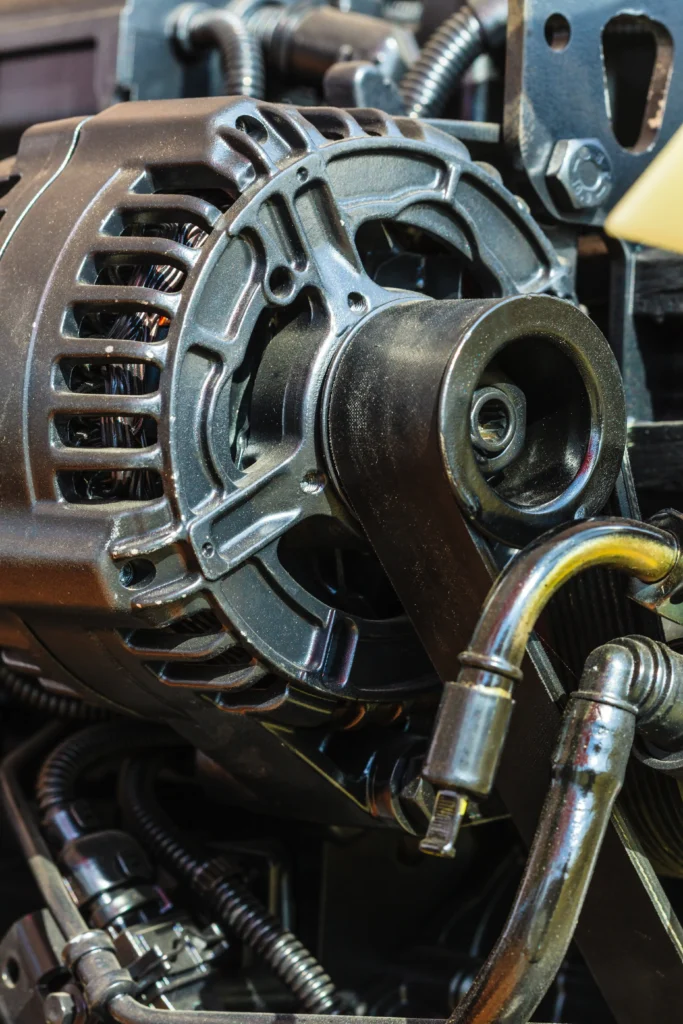
At the heart of this electrical system is the alternator. While many drivers know about their car battery, few understand the important role the alternator plays in maintaining overall vehicle health.
If your alternator starts failing, it can lead to a wide range of car electrical problems, including battery failure, starting issues, dashboard warning lights, and even complete vehicle breakdowns.
At TMC Auto Electrical, we regularly assist motorists throughout Nigel, Springs, the East Rand, and Johannesburg with alternator diagnostics, repairs, and replacements. Understanding how this essential component works can help you identify problems early and avoid costly roadside breakdowns.
What Does an Alternator Do?
The alternator is responsible for generating electrical power while your engine is running.
When your vehicle starts, the battery provides the initial electrical energy needed to crank the engine. Once the engine is running, the alternator takes over and supplies electricity to:
- Headlights
- Air conditioning systems
- Dashboard electronics
- Power windows
- Vehicle computers
- Fuel injection systems
- Radio and infotainment systems
- Charging ports
- Safety systems
At the same time, the alternator continuously recharges the battery.
Without a properly functioning alternator, your battery will eventually drain and your vehicle will stop running.
How an Alternator Works
The alternator is driven by the engine through a belt system, often referred to as the serpentine belt.
As the engine turns, the alternator generates alternating current (AC) electricity. This power is then converted into direct current (DC) electricity, which your vehicle’s electrical systems can use.
The alternator works together with:
The Battery
The battery stores electrical energy and provides power during startup.
The Voltage Regulator
This component controls the alternator’s output and ensures the correct charging voltage.
The Drive Belt
The belt connects the alternator to the engine and allows it to generate electricity while driving.
When any of these components fail, charging system problems can occur.
Why the Alternator Is Critical to Vehicle Health
Many drivers assume the battery powers everything while the vehicle is running.
In reality, the alternator is doing most of the work.
A healthy alternator ensures:
- Reliable starting performance
- Stable electrical system operation
- Proper battery charging
- Consistent engine performance
- Correct operation of onboard computers
- Reduced risk of breakdowns
Modern vehicles contain dozens of electronic control modules. These systems require stable voltage levels to function correctly.
Even small fluctuations caused by a faulty alternator can trigger warning lights, diagnostic fault codes, and vehicle performance issues.
Common Signs of Alternator Failure
Recognising early warning signs can help prevent more serious damage.
Dim or Flickering Headlights
If your headlights appear dimmer than normal or flicker while driving, your alternator may not be producing sufficient power.
This is often one of the first signs of charging system problems.
Battery Warning Light
Most vehicles have a battery-shaped warning light on the dashboard.
Despite its appearance, this warning light often indicates an alternator issue rather than a battery problem.
If the light remains illuminated while driving, professional vehicle diagnostics should be performed as soon as possible.
Slow Engine Cranking
A weak alternator can leave the battery undercharged.
As a result, the engine may crank slowly when starting.
Many customers assume they need a car battery replacement when the real issue is the alternator.
Electrical Accessories Malfunctioning
You may notice:
- Power windows moving slowly
- Radio cutting out
- Air conditioning behaving erratically
- Dashboard displays flickering
These symptoms often point to insufficient charging system voltage.
Burning Smell
A worn alternator belt or overheating alternator can produce a burning rubber or electrical smell.
This should never be ignored.
Strange Noises
Failing alternator bearings may create:
- Grinding sounds
- Whining noises
- Squealing noises
These sounds typically become more noticeable as engine speed increases.
Common Causes of Alternator Failure
Alternators are durable components but can eventually wear out.
Common causes include:
Age and Wear
Most alternators last between 150,000 and 250,000 kilometres depending on driving conditions.
Heat Exposure
Johannesburg’s hot summer temperatures place additional stress on electrical components.
Excessive heat can damage internal alternator parts and reduce lifespan.
Worn Bearings
Over time, bearings wear out and create internal friction.
Faulty Voltage Regulators
A failed regulator can result in overcharging or undercharging.
Belt Problems
Loose or damaged drive belts can prevent the alternator from operating efficiently.
Water and Dirt Contamination
Driving through flooded roads or dusty environments can affect alternator performance.
How Johannesburg Driving Conditions Affect Alternators
Vehicle owners throughout Johannesburg, Springs, Nigel, and the East Rand face unique challenges.
Heavy Traffic
Stop-start commuting places constant demands on charging systems.
Electrical accessories continue drawing power while the engine spends long periods idling.
Extreme Temperatures
High under-bonnet temperatures accelerate wear on electrical components.
Short Trips
Frequent short-distance driving may not provide sufficient time for the alternator to fully recharge the battery.
Fleet Vehicle Usage
Commercial vehicles often operate for extended periods and rely heavily on charging systems.
Routine inspections are essential for preventing unexpected downtime.
What Happens If You Ignore Alternator Problems?
Delaying repairs can result in:
- Complete battery discharge
- Vehicle breakdowns
- Damage to sensitive electronics
- ECU communication issues
- Increased repair costs
- Being stranded unexpectedly
Modern vehicles depend on stable electrical voltage.
Ignoring charging system problems can affect everything from engine management systems to safety features.
Professional Alternator Testing and Diagnostics
At TMC Auto Electrical, our technicians use advanced diagnostic equipment to identify charging system faults accurately.
Our testing process typically includes:
Battery Health Testing
We verify whether the battery is functioning correctly.
Charging System Analysis
We measure alternator output under various operating conditions.
Voltage Drop Testing
This identifies wiring and connection issues.
Belt Inspection
We inspect the drive belt for wear and tension issues.
ECU Diagnostics
Modern vehicles often store charging system fault codes that assist with diagnosis.
Accurate testing prevents unnecessary parts replacement and ensures the root cause is repaired.
Preventing Alternator Problems
While no alternator lasts forever, proper maintenance can extend its lifespan.
Schedule Regular Electrical Inspections
Routine inspections can identify small problems before they become major failures.
Replace Worn Belts Promptly
A damaged drive belt affects alternator performance.
Address Battery Problems Quickly
A failing battery can place additional strain on the alternator.
Keep Electrical Connections Clean
Corroded terminals reduce charging efficiency.
Avoid Excessive Electrical Loads
Aftermarket accessories should be installed professionally to prevent overloading the charging system.
When Should You Visit an Auto Electrician?
You should book an inspection immediately if you notice:
- Dashboard battery warnings
- Dimming headlights
- Starting problems
- Electrical accessory failures
- Burning smells
- Unusual engine bay noises
Prompt attention can prevent a minor issue from becoming a major breakdown.
If you’re searching for an auto electrician near me, professional diagnostics can quickly determine whether the problem involves the alternator, battery, starter motor, wiring, or another electrical component.
Why Choose TMC Auto Electrical?
TMC Auto Electrical provides professional auto electrical repairs throughout Nigel, Springs, Johannesburg, the East Rand, and surrounding areas.
Our services include:
- Alternator repair Johannesburg
- Starter motor repair
- Vehicle diagnostics Johannesburg
- ECU diagnostics South Africa
- Car battery replacement Johannesburg
- Car wiring issues repair
- Auto electrical repairs Johannesburg
- Fleet vehicle electrical services
We use professional diagnostic equipment and experienced technicians to ensure accurate fault finding and long-lasting repairs.
 Visit: www.tmcauto.co.za
 Find us at: 216 Hendrik Verwoerd Street, Nigel
 Call/WhatsApp: 060 671 9767
 juandre@autotmc.co.za